

June 24, 2026 · 6 min read
What is a multislice CT scan?
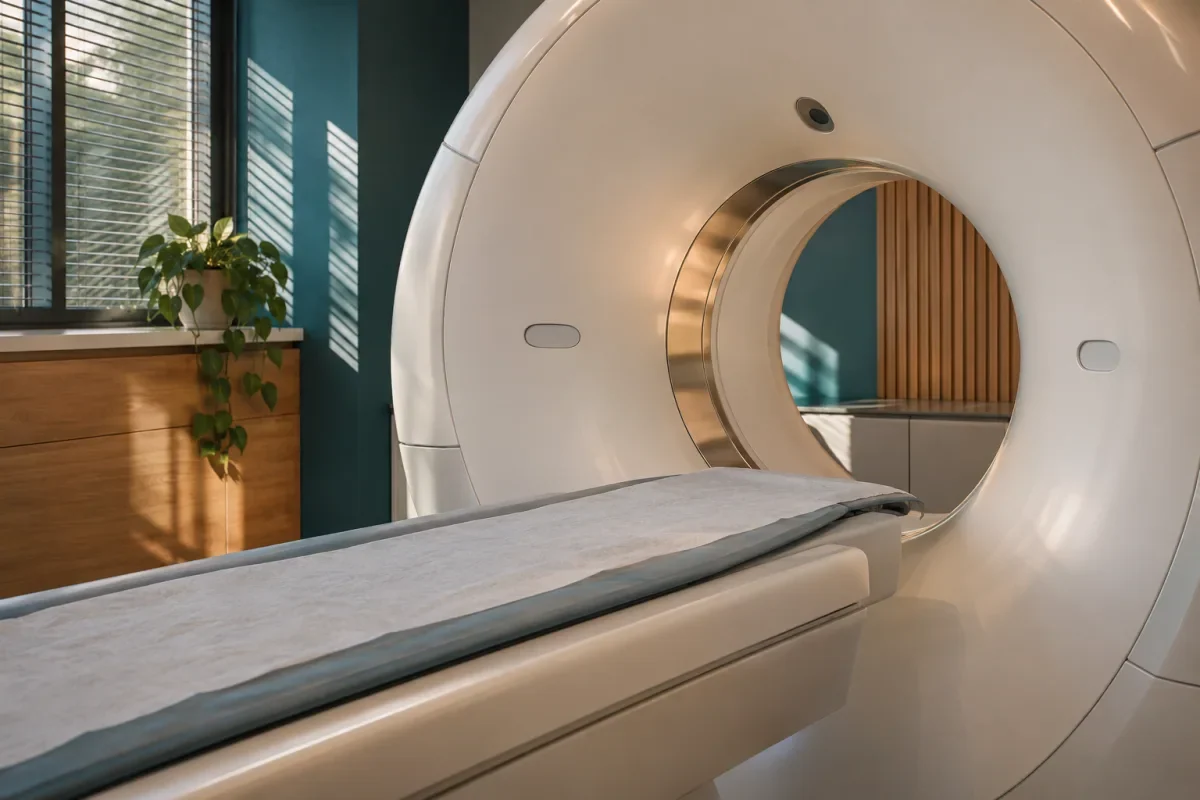
MSCT, or multislice scanner, is one of the most precise methods in modern radiological diagnostics. If your doctor recommended this examination or you came across the term multislice scanner on the Internet and you are not sure what it means, on this page we will calmly and clearly explain what MSCT is, how it works and what it is for.
The abbreviation MSCT comes from the English name for multi-slice computed tomography. In essence, it is an advanced type of CT scanner that records the body in thin layers, so-called sections, and from them compiles an extremely detailed picture of the inside of the organism.
MSCT examination in BelgradeHave you been recommended MSCT?
At Nela Medica, we perform MSCT examinations of the head, chest, abdomen, spine and joints. An examination of one region costs 12,500 dinars, you get the results the same day, and self-payers do not need a referral.
Call 065 471 5055 Message us on Viber Prices of all MSCT examinations →What is MSCT and what is it for?
MSCT is a diagnostic method that uses X-rays, but in a much more sophisticated way than conventional imaging. Instead of a single flat image, a multislice scanner takes a series of thin cross-sections of the body, which the computer then stitches together into a complete, often three-dimensional view.
Thanks to this, the doctor can look at organs, blood vessels, bones and soft tissues with great precision, notice even very small changes and observe them from different angles. This is precisely why MSCT has become the standard in the evaluation of a large number of conditions, from injuries and inflammation to the monitoring of already known diseases.
How does a multislice scanner work?
During the examination, you lie on a moving table that slowly passes through the circular opening of the apparatus. In that ring there is an X-ray tube that rotates around you and records the body from many angles at the same time. The name multi-layer comes from that: the camera simultaneously records several layers in one turn, so recording is fast and covers a larger area in a short time.
The recording part itself usually lasts only a few minutes. The computer then processes all the collected data and forms detailed sections that the radiologist carefully analyzes. The examination is painless, and you are generally only asked to be calm and to occasionally, as instructed, hold your breath for a short time so that the images are as clear as possible.
In some cases, a contrast agent is also used. It is most often given through a vein and helps to show certain structures, such as blood vessels or certain organs, more clearly. Whether contrast is necessary is assessed by the doctor based on the purpose of the examination and your health condition.
How does MSCT differ from plain X-ray?
Classic X-ray imaging produces a single two-dimensional image in which body structures are superimposed. It's great for a quick assessment, for example of bones or lungs, but limited when you need to see in detail what's behind what.
MSCT solves this problem by imaging the body in thin layers, without overlapping structures. Thus, the doctor gets a clear insight into the depth and arrangement of organs and tissues. Put simply, if an X-ray is a single photograph, a multislice scanner is a series of slices that together reveal much more detail.
How does it differ from older CT machines?
Older, single-layer CT machines also work on a similar principle, but record only one layer in one revolution. The multi-slice scanner records several layers simultaneously in the same revolution, so the imaging is faster, more pleasant for the patient and gives finer, more detailed images.
For you, this means in practice a shorter stay in the machine and a better quality image, which makes it easier for the radiologist to make a precise conclusion.
Is MSCT safe?
MSCT is a proven and routine diagnostic method. As with any imaging that uses X-ray radiation, the examination is performed when there is a clear medical indication for it, because the benefit of an accurate diagnosis then outweighs the small exposure to radiation. Modern devices are designed so that the images are of high quality with carefully dosed application.
If a contrast agent is used, before the examination, the doctor will ask you about possible allergies and previous reactions, as well as about the functioning of the kidneys, so that the examination can take place safely. That's why it's important to openly share all information about your health. If you are pregnant or suspect that you are pregnant, be sure to tell us before the recording.
When is the MSCT examination performed?
A doctor will recommend an MSCT when he needs a detailed view of the inside of the body to make a diagnosis. The head, chest, abdomen, pelvis, spine, as well as blood vessels, bones and joints are most often examined with a multislice scanner.
This examination helps in the assessment of injuries, inflammatory processes, changes in organs and in the monitoring of already known conditions during treatment. The specific area and method of imaging is always determined by the doctor based on your complaints and previous findings.
Prices of CT examinationsCheck the price before making an appointment
On the CT scanner page you can see the prices of all CT examinations, and on the price list page you can see other Nela Medica services.
See prices for CT examinationsComplete price list →If you have been recommended a scanner or want to consult about an examination, call us at 065 471 5055 or write on Viber. You get the result the same day, we schedule an appointment within 48 hours, and for self-payers, no referral is required.